01
Is it actually melasma?
Not every brown patch is melasma. Ask what diagnosis or pattern the treatment plan is based on before choosing a device.
PicoPlus appeared on the legacy page as if it were a confirmed current Newline treatment. It is not included in the verified treatment and price information used for this website. This updated guide keeps the melasma search intent but redirects the decision toward Newline's confirmed Laser Toning, Fraxel, CO2, Trinity, Potenza and MTS options.
Start by confirming what type of pigmentation you actually have — not by choosing a laser brand first.
“Melasma,” post-inflammatory hyperpigmentation, freckles, sun spots and other pigmentation concerns can look similar to patients but may require different treatment plans. Newline currently confirms Laser Toning, Fraxel, CO2, Trinity, Potenza and MTS. PicoPlus is not presented as a verified current Newline device. The useful consultation therefore starts with the pigment pattern, treatment history, sun exposure, skin condition and risk of post-treatment pigmentation.
Not every brown patch is melasma. Ask what diagnosis or pattern the treatment plan is based on before choosing a device.
Diffuse pigmentation, isolated spots, post-inflammatory pigmentation and mixed texture-pigment concerns should not automatically receive the same treatment.
Laser Toning, Fraxel, CO2, Trinity, Potenza and MTS are currently confirmed categories. The exact device or procedure should match the concern.
Temporary darkening or post-inflammatory hyperpigmentation can occur after some procedures. Risk depends on skin condition, settings, sun exposure and individual response.
Travel, beach time, outdoor sports and strong sun exposure may influence when to schedule treatment and how strict post-treatment protection needs to be.
This page does not prescribe five to eight sessions or a fixed three-to-four-week interval. Treatment frequency should depend on response and procedure type.
Active ingredients, exfoliants, retinoids and pigmentation products may need to be adjusted around some procedures. Ask for treatment-specific instructions.
Confirm the exact treatment name, area, session type, whether the price is promotional and the final VAT-inclusive amount.
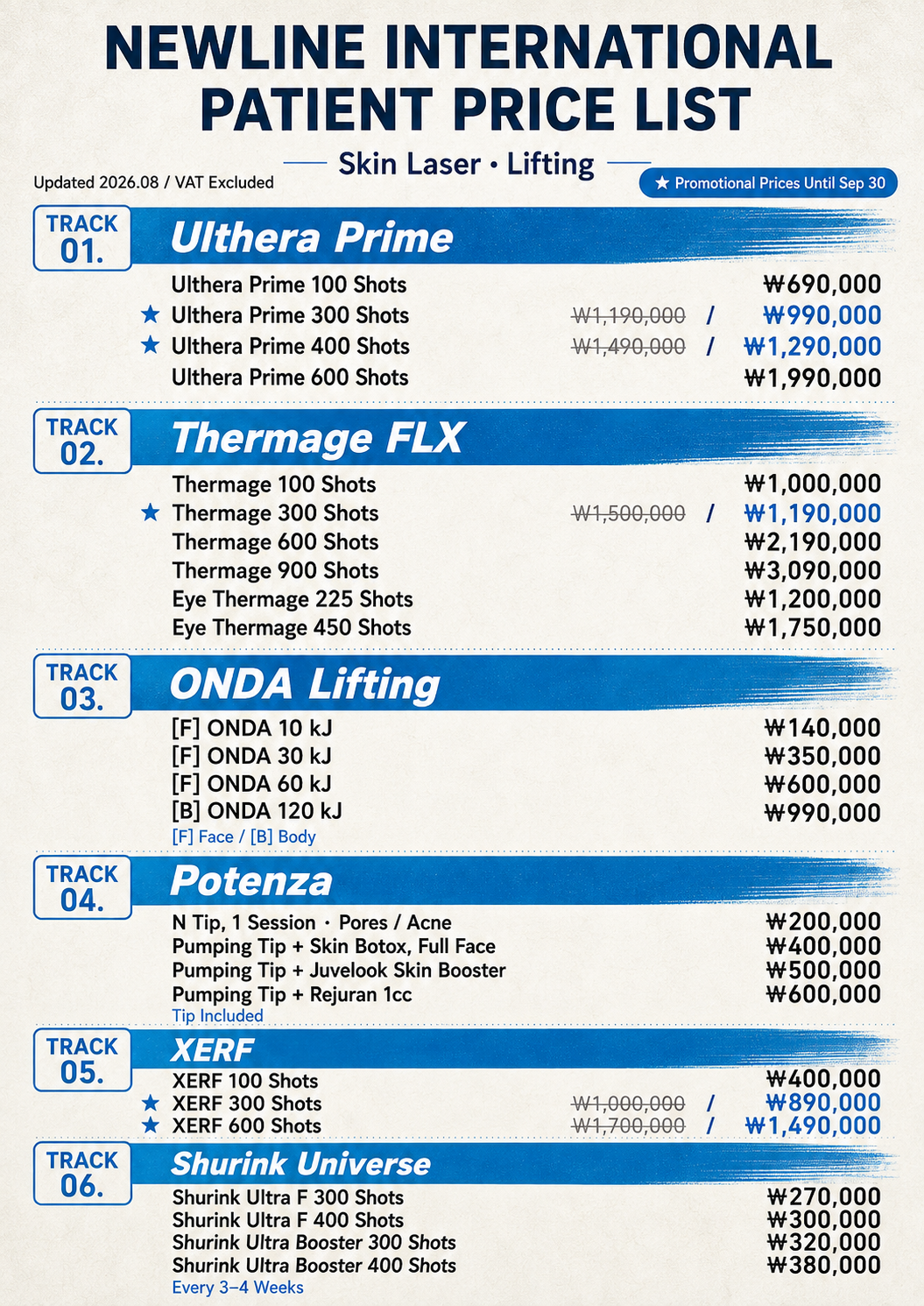
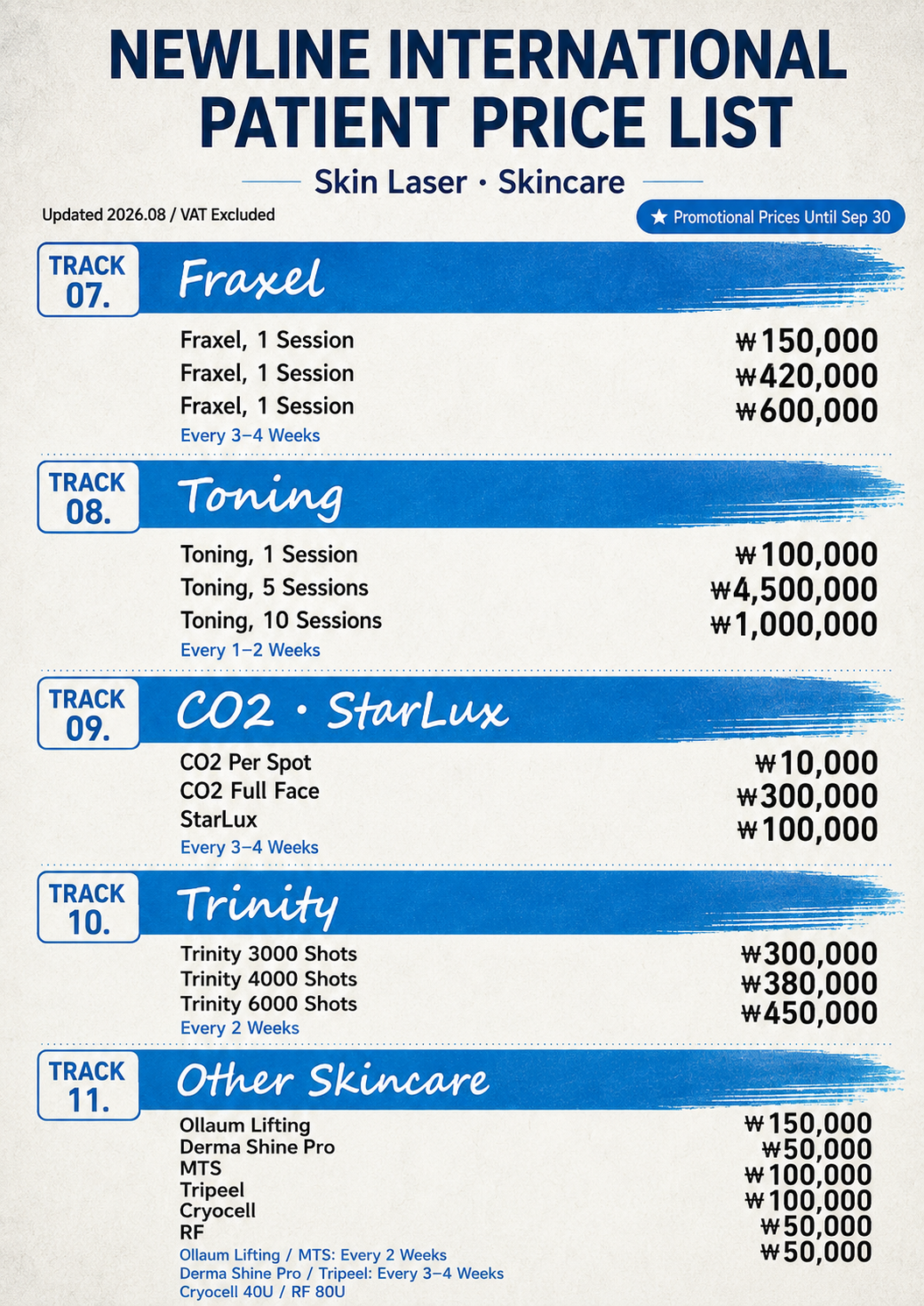
Confirmed at ₩100,000 for one session. The exact laser platform should be reconfirmed before booking; this page does not equate generic Laser Toning with PicoPlus.
Confirmed laser category. Several current source price points exist, but the sublabels are unclear, so the exact Fraxel option and price should be confirmed directly.
Confirmed at ₩10,000 per spot and ₩300,000 full face. CO2 is a different category and should not be treated as a general melasma substitute.
Confirmed with 3000, 4000 and 6000 price tiers. Ask what concern and treatment area the specific tier is intended to address.
Confirmed RF microneedling option. It may enter a plan when pigmentation coexists with pores or texture, but it is not automatically a melasma treatment.
Confirmed at ₩100,000. MTS may be discussed for texture or broader skin-quality concerns rather than as a default pigmentation treatment.
This page does not promise permanent clearance. Sun exposure, hormonal factors, skin inflammation and individual predisposition may influence recurrence.
Aggressive treatment can increase irritation and pigmentation risk in some patients. Settings should be individualized.
Patients with pigment plus pores, texture or scars may need a broader plan. Each treatment should have a clear role.
Repeat sessions, skincare and sun protection should be based on response and ongoing triggers rather than a universal 6- or 12-month schedule.
Ask what sunscreen and physical protection are recommended for the exact procedure. Avoid assuming one fixed SPF schedule fits every treatment.
Temporary redness or pigment darkening may occur after some procedures. Ask what is expected and when to contact the clinic.
Retinoids, acids, exfoliants or strong actives may need to be paused depending on the procedure. Follow Newline's treatment-specific instructions.
If crusting or visible surface changes occur, avoid picking unless specifically instructed otherwise. Protect the treated area from unnecessary friction.
If you are going to the beach, hiking, skiing or spending long periods outdoors, tell Newline before scheduling pigmentation treatment.
Severe pain, blistering, rapidly worsening swelling, signs of infection or other concerning symptoms require prompt medical assessment.
The previous page presented PicoPlus as a current clinic device. Newline's confirmed current information does not verify that.
Regulatory and platform-superiority claims were removed because they are not part of the confirmed Newline source information used here.
Session count and interval should be individualized by diagnosis and response.
Fixed percentage outcomes for epidermal, mixed or dermal melasma were removed.
The previous medication doses and schedules were removed because they are not confirmed Newline treatment information.
Unconfirmed adjunctive treatments and fixed-response promises were removed.
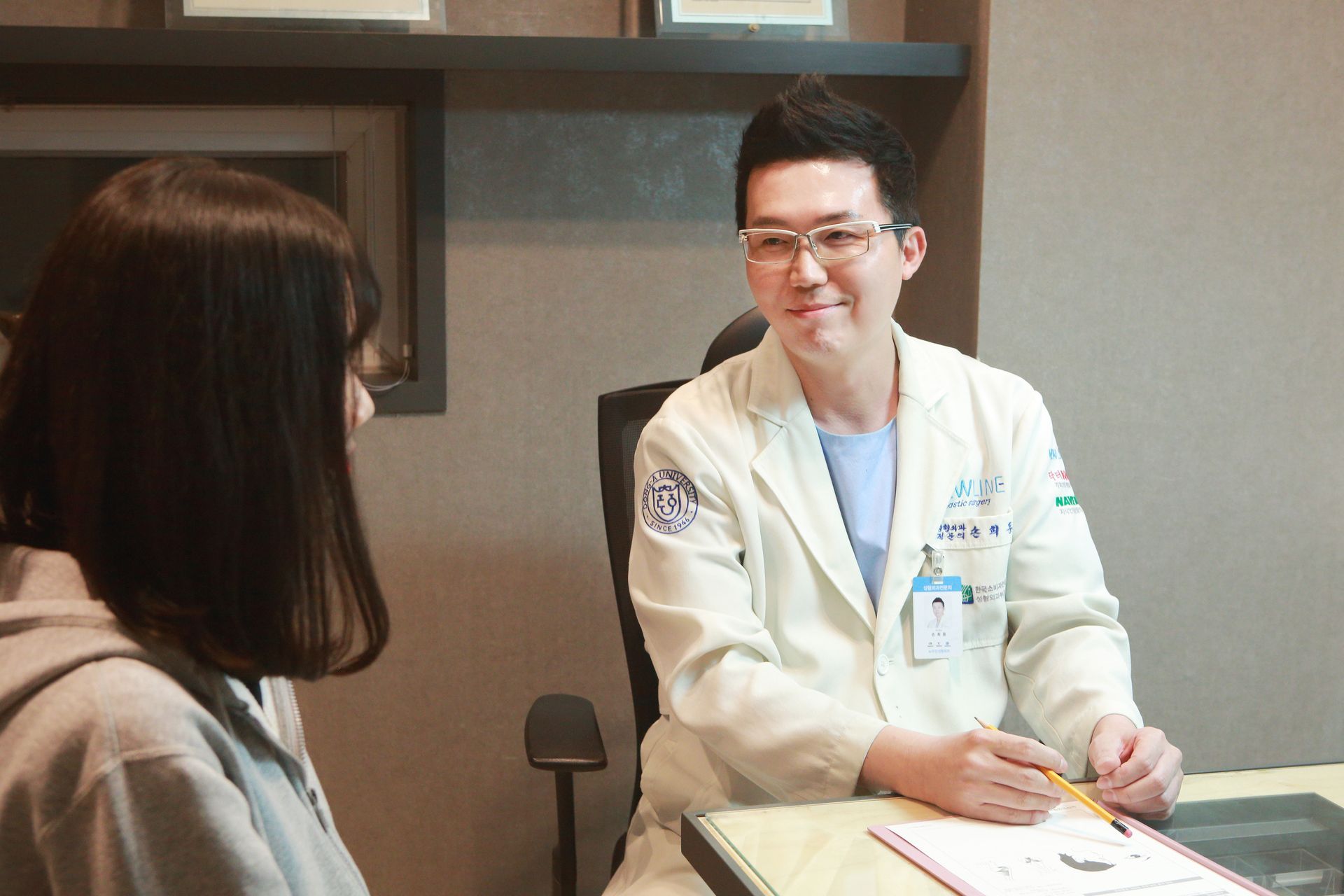
Pigmentation treatment should begin with what pattern you actually have — not with forcing every brown spot into one laser protocol.
Tell Newline what the pigmentation looks like, how long it has been present, previous laser history, skincare, sun exposure and travel timing. Ask which currently confirmed treatment category is relevant and what the current price is.
PicoPlus is not presented as a confirmed current Newline service on this page. Pigmentation diagnosis, treatment suitability, settings, recovery and results vary. Confirm the exact treatment, VAT and current pricing directly with Newline before treatment.

📞 +82-10-6757-4281
* Near Seomyeon Station Exit 7, opposite the rear entrance of Lotte Department Store Busan Main Store