Chinese Patient Guide: Busan K-Beauty Dermatology
中国患者指南 · 釜山西面

中国到 釜山西面皮肤科指南.

Mainland Chinese patients need C-3-3 medical visa (not K-ETA) for Korea. JRYN's invitation letter, Mandarin-speaking staff, and 30–40% Beijing/Shanghai pricing savings make Busan a practical choice. Here's the country-specific guide for Chinese patients.

普通话支持 C-3-3 邀请函 30–40% 北京/上海节省 KHIDI 注册
中国到釜山 · At a glance

China to Busan in numbers.

PEK → PUS direct
2h 15m
PVG → PUS direct
1h 35m
C-3-3 visa needed
Yes
Avg savings vs Beijing
30–40%
JRYN Mandarin staff
Yes
WeChat / WhatsApp
Both OK
If you only read one paragraph

C-3-3 visa needed. Mandarin support throughout. 30–40% mainland savings.

Chinese patients differ from most other foreign patient groups: K-ETA does not cover Mainland China passport holders; you need the C-3-3 medical visa for Korea entry. JRYN provides the required invitation letter (邀请函) free as a KHIDI-registered facility — this is mandatory documentation for C-3-3 application. Direct flights from Beijing (PEK) take 2h 15m, from Shanghai (PVG) just 1h 35m; weekend trips are straightforward. Treatment savings vs Beijing/Shanghai upscale clinics run 30–40% for the same procedures using the same KFDA-approved devices. JRYN's Mandarin-speaking staff handles consultation, consent, and aftercare. WeChat or WhatsApp both work for pre-arrival consultation. Most Chinese patients book a 3–5 day trip combining 1–2 treatments with light Busan tourism.

中国患者流程 · Trip flow

Step-by-step from China.

01

Initial WeChat / WhatsApp inquiry

Send to JRYN: passport name, planned dates, treatment interests, photos. JRYN responds in Mandarin within 24h. WeChat ID or WhatsApp +82-10-3951-7576 both work. Most Chinese patients prefer WeChat; we use both.

Time 24h response in Mandarin
02

Receive invitation letter (邀请函)

JRYN issues bilingual Korean+English invitation letter (also Mandarin on request) confirming treatment scope, dates, KHIDI registration. Required documentation for C-3-3 medical visa application. Free for booked patients.

Time 1–2 day turnaround
03

C-3-3 visa application

Apply at Korean embassy/consulate in your city (Beijing, Shanghai, Guangzhou, Chengdu, etc.). Documents: passport, application form, photo, JRYN invitation letter, proof of funds, return flight booking, travel insurance. Allow 5–10 business days processing.

Time Apply 4 weeks before travel
04

Flight booking

PEK→PUS 2h 15m via Korean Air, Asiana, China Eastern. PVG→PUS 1h 35m. CAN→ICN→PUS 4–5h via Korean Air. Round-trip CNY 2,000–4,500. Booking 4+ weeks ahead for best fares.

Best route Direct PEK/PVG-PUS · CNY 2,000–4,500
05

Gimhae arrival · transit to Seomyeon

PUS to Seomyeon: limousine bus CNY 35 (50 min), light rail + subway CNY 25 (60 min), taxi CNY 130 (30 min). Most Chinese patients use limousine bus for value and convenience. Hotel check-in same day.

Best Limousine bus · CNY 35 · 50 min
06

JRYN consultation in Mandarin

Front desk processes paperwork in Mandarin. Dr. Lee provides treatment options through Mandarin-speaking staff translation. Treatment plan, pricing in CNY-equivalent, and aftercare instructions all available in Mandarin/Simplified Chinese before consent.

Language Full Mandarin support
Popular treatments for Chinese patients

What Chinese patients book.

Glass skin protocol (玻璃肌)

Multi-step glow combo. Strongly preferred by Chinese patients aware of Korean K-beauty culture. Booster + mild laser + LDM combination.

🌟

Salmon DNA (三文鱼皮肤注射)

Regenerative skin booster. Korea has 5+ years clinical experience ahead of mainland China. 3-session series; many Chinese patients do all 3 in extended 8-week visit.

🎯

HIFU (Shurink Universe / Ultherapy)

Lifting and tightening. Newest devices arrive in Korea before mainland China. Single 60-min session, mild swelling 24h, 12-month hold.

💉

Korean filler brands (韩国玻尿酸)

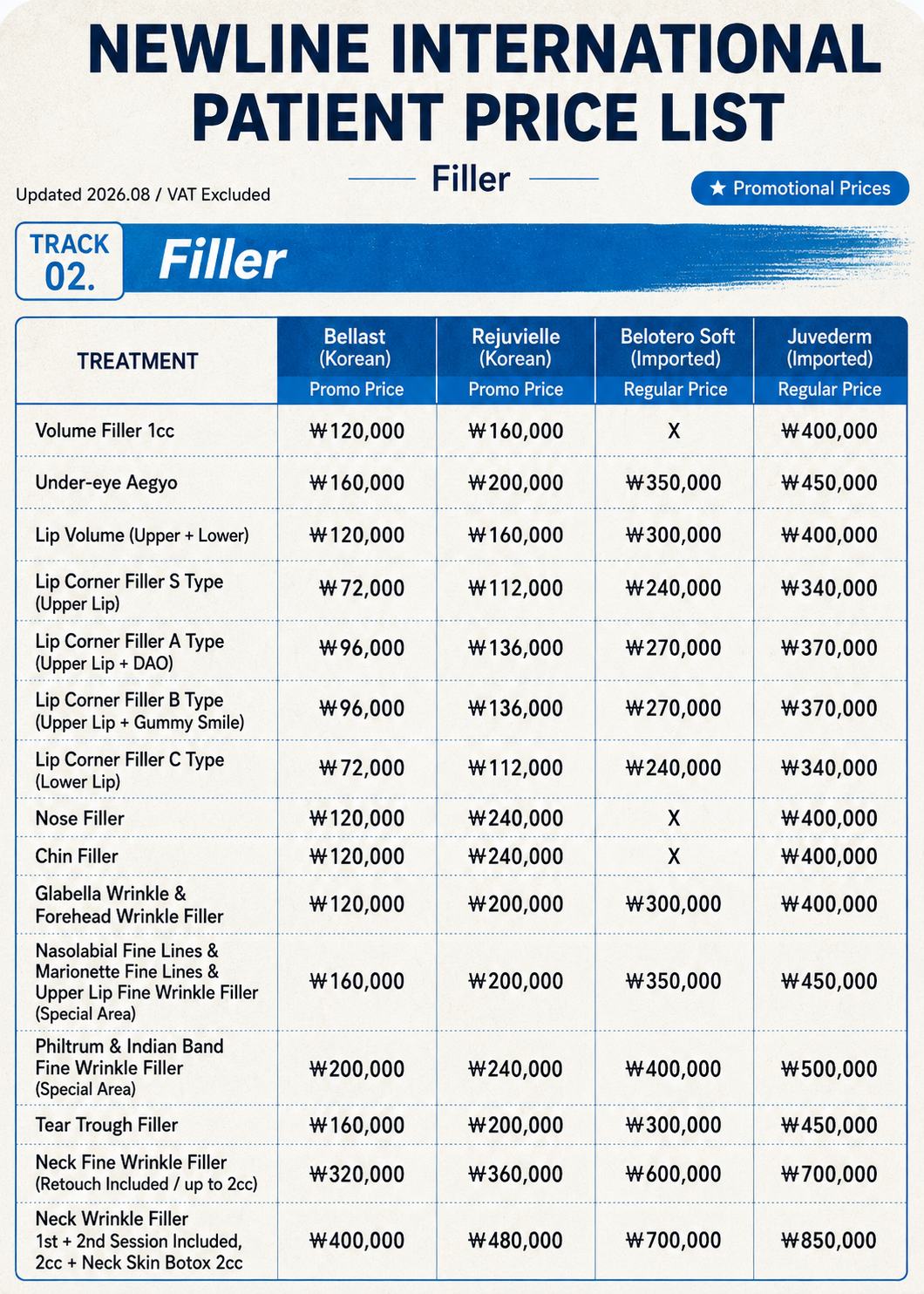
Yvoire, Neuramis, Chaeum. Chinese patients increasingly prefer Korean injection technique vs heavier mainland aesthetic standards.

🧬

Exosome therapy (外泌体)

Cutting-edge K-beauty regenerative therapy. Korean clinical adoption since 2023, ahead of mainland China. Combined with mild laser for enhanced results.

🔬

Pico laser (皮秒激光)

Pigmentation, freckle, melasma clearance. Korean clinics have higher cumulative case volume than mainland Chinese clinics. 3–5 session series typically.

Practical China-specific notes

Things Chinese patients ask.

Payment · UnionPay accepted

Visa, Mastercard, AmEx, JCB, UnionPay all accepted. Most Chinese-issued cards work — UnionPay specifically supported. Cash CNY exchange to KRW at Gimhae or Hana Bank in Seomyeon. Alipay and WeChat Pay don't work for foreigners in Korean POS systems.

Language · Mandarin throughout

JRYN front desk includes Mandarin-speaking staff. Consultation, consent, and aftercare in Simplified Chinese. Dr. Lee provides treatment information through Mandarin-staff translation. WeChat or WhatsApp follow-up in Mandarin.

Internet access · VPN consideration

Korea has unrestricted internet — Google, WhatsApp, YouTube, Instagram all work normally. WeChat works in Korea (no VPN needed for WeChat from Korea side). For accessing your Chinese-restricted services from Korea, use your usual VPN if needed.

Food · Familiar Asian cuisine

Hundreds of restaurants in Seomyeon. Korean-Chinese fusion (jjajangmyeon — 炸酱面), authentic Chinese restaurants, hot pot (火锅) options. Convenience stores stock similar items to mainland China. Easy for Chinese patients to find familiar food.

When Busan makes sense for Chinese patients

Decision framework.

Busan is right for you if

  • You want Korean K-beauty innovation before mainland China adoption
  • 30–40% savings vs Beijing/Shanghai upscale clinics matters
  • You can plan 4 weeks ahead for C-3-3 visa application
  • You're comfortable with Mandarin-supported (not Mandarin-native) clinical environment
  • You can take 3–5 day weekend or week trip

Stay in China if

  • You need ongoing weekly treatments (commuting impractical)
  • Your dermatologic condition requires China health insurance coverage
  • Total trip cost (flights + hotel + treatment) doesn't beat your local clinic
  • C-3-3 visa application timing doesn't fit your schedule
  • Time-sensitive treatment without 4-week planning buffer

Combine Seoul + Busan if

  • You're already going to Seoul for tourism, shopping, or business
  • You have 6+ days for fuller medical tourism trip
  • You want to compare Gangnam vs Busan options
  • KTX 2.5h between cities makes multi-base trip practical
  • You want both Seoul shopping (Myeongdong) and Busan beach experience
Returning to China post-treatment

Recovery across borders.

Flight day timing

Schedule flights at least 24 hours after treatment. PEK/PVG short flights (2h or less) tolerable same-day for most treatments. After HIFU/aggressive laser, 24h gap recommended. Skin booster, salmon DNA, botox flight-OK same day.

China customs declaration

Declare prescription medications. Bring JRYN's prescription paper for any clinic-issued medication. Korean cosmetics under personal-use thresholds (around CNY 5,000) are duty-free for personal import. Don't try to bring back unopened injectables for use at home — that's illegal.

WeChat / WhatsApp follow-up

JRYN follows up at 24h, 72h, 14 days post-treatment via WeChat or WhatsApp. Send photos for progress check. Mandarin or English communication, your choice. Consistent care across borders.

Repeat-visit logistics

Many Chinese patients return semi-annually. Save your JRYN patient ID; we pull up full treatment history for repeat visits. Plan multi-trip visa strategy — once you have one C-3-3, the second is faster.

Dr. Lee, Head Dermatologist at JRYN Seomyeon, Busan Dr. Lee Portrait
About the doctor

Dr. Jeong Heon Lee,
board-certified
dermatologist.

A medical decision should not feel rushed.
My job is to give you the 30 minutes you couldn't get at home

then deliver treatment that respects what made you fly here in the first place.

  • MD, Inje University College of Medicine
  • Member, Korean Dermatological Association
  • Member, Korean Society of Cosmetic Dermatology
  • 15+ years treating international dermatology patients
View Full Profile
Frequently asked

FAQ · 中国患者 · Chinese patients
questions.

Do Mainland Chinese patients need C-3-3 medical visa?
Yes — Mainland China is not on the K-ETA eligibility list. C-3-3 medical visa is required, applied at Korean embassy/consulate in your home city. Documents include JRYN invitation letter, proof of funds, return flight, travel insurance. Allow 5–10 business days processing. Apply 4 weeks before travel for safety buffer.
How fast does JRYN provide invitation letter?
1–2 day turnaround once you confirm treatment plan via WeChat or WhatsApp. Bilingual Korean+English invitation letter (Mandarin available on request) confirming treatment scope, dates, KHIDI registration. Free for booked patients. We email PDF; print and bring to embassy.
Can I use WeChat to consult before booking?
Yes — JRYN supports both WeChat and WhatsApp for Chinese patients. WeChat ID provided on request. Most Chinese patients prefer WeChat; some use WhatsApp. Either works for full consultation flow including photo sharing, pricing discussion, and appointment booking.
How much can I save vs Beijing or Shanghai?
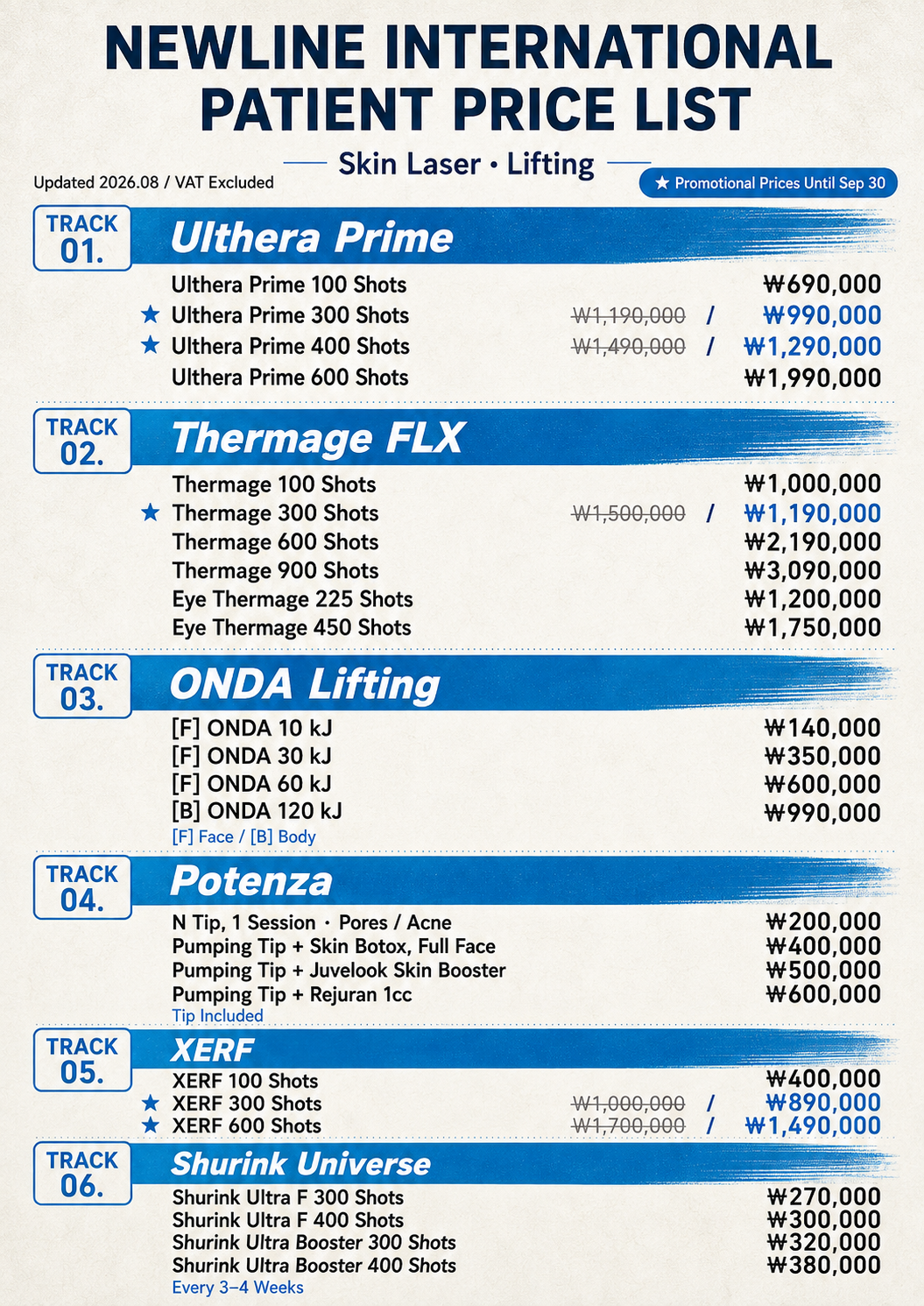
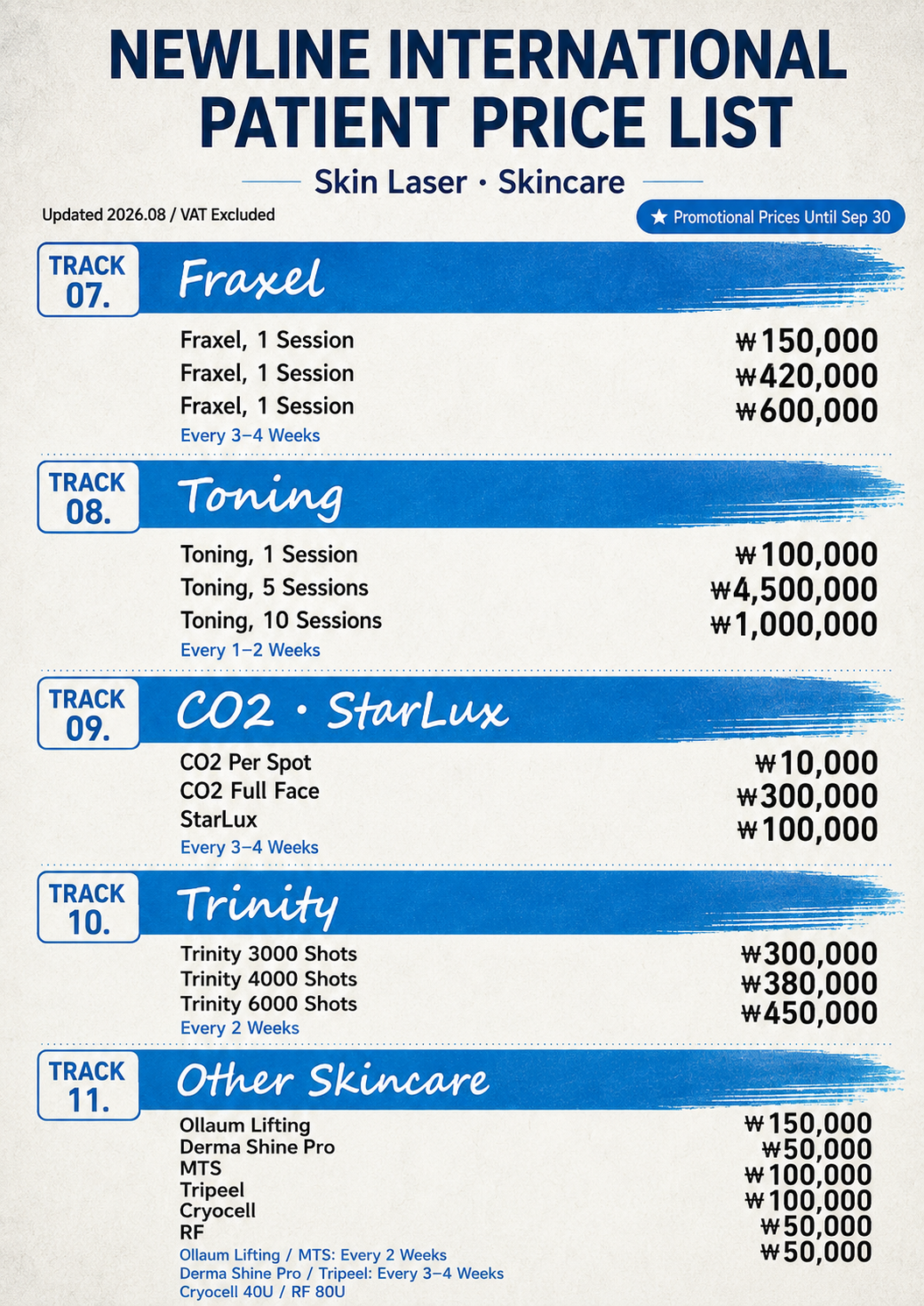
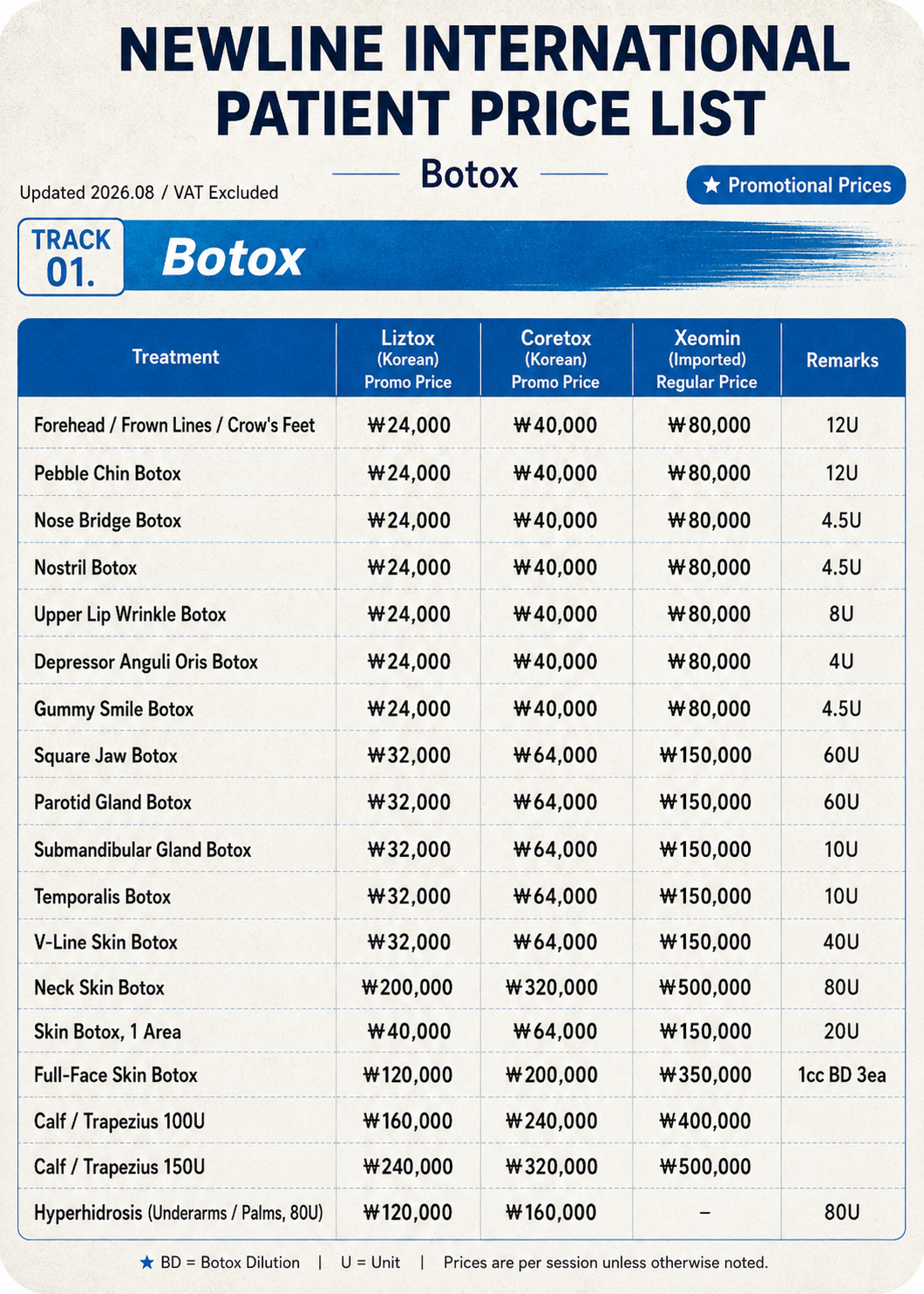
30–40% on most treatments. Example: Ultherapy Prime in Shanghai upscale clinic CNY 8,000–12,000; Busan CNY 3,000–4,000. Salmon DNA at mainland aesthetic clinics CNY 3,500–5,000/session; Busan CNY 1,800–2,400. Even with CNY 3,000 round-trip flights and 4 nights hotel CNY 2,000, a 2-treatment Busan trip lands CNY 8,000–12,000 total — comparable to one mainland session.
Is the visa process complicated?
More complex than K-ETA but manageable with JRYN's invitation letter and 4-week buffer. Embassy reviews documents and approves typically within 5–10 business days. Reasons for denial: incomplete documents, prior overstays, security flags. Most properly prepared applications approved. JRYN supports stronger second application if first denied.
Does JRYN have Mandarin-fluent staff?
Yes — Mandarin-speaking front desk staff handle consultation, consent forms, treatment-day support, and post-care follow-up. Simplified Chinese (mainland) and Traditional Chinese (Taiwan, Hong Kong) both supported. Dr. Lee communicates with patients through Mandarin-staff translation.
Can I use UnionPay at JRYN?
Yes — UnionPay accepted, plus Visa, Mastercard, AmEx, JCB. Most Chinese-issued cards work. We accept cash KRW (exchange CNY at Gimhae or Hana Bank in Seomyeon for better rate). Alipay and WeChat Pay don't work in Korean POS systems for foreigners — bring cards or convert cash.
Are Korean dermatology devices safe?
Yes — KFDA-approved (Korean equivalent of NMPA). Many devices are dual-approved (NMPA + KFDA). Korean clinics often have higher cumulative case counts than mainland Chinese clinics for newer devices because adoption happened earlier. JRYN uses only KFDA-approved devices.
Is Busan cheaper than Seoul for Chinese patients?
Yes — by 15–30% on most treatments. Same authentic devices (Ultherapy Prime, Shurink Universe, etc.); the difference is location-driven. Busan's lower commercial rent and operational costs translate to lower patient pricing without compromising clinical quality. Many Chinese patients go to Seoul for shopping but Busan for treatment.
How do I book?
WeChat or WhatsApp +82-10-3951-7576 with: passport name, planned dates, treatment interests, photos, allergies/medications. Within 24 hours we reply in Mandarin with treatment plan, total pricing in CNY-equivalent, and confirmed appointment. Then we issue invitation letter for your C-3-3 visa application. No deposit until visa approved.
中国患者预约

WeChat or WhatsApp
for Mandarin reply..

Send your dates and treatment interests in Mandarin. Within 24 hours we reply with treatment plan, CNY-equivalent pricing, and free invitation letter for C-3-3 visa application. No booking fee, no deposit until visa approved.

Individual results may vary. Content is for informational purposes only and is not a substitute for medical advice. Please consult a licensed medical professional before any procedure. Prices are estimates and may change. JRYN Dermatology is licensed under the Korean Medical Service Act.