K-Beauty Clinic vs Skincare Products: When Each Wins
K-Beauty trend · Honest division of labor

K-Beauty clinic vs skincare products
when each wins
in Busan Seomyeon.

Korean K-beauty product industry markets transformation through bottles. Korean clinics market transformation through procedures. Both deliver — for different problems. Here's the honest division of labor: when products are sufficient, when clinic treatment is necessary, and how to combine them at JRYN Busan Seomyeon.

Honest division of labor Products vs procedures When each suffices Combination strategy
Different tools, different jobs

Honest comparison.

Hydration daily
Products
Hydration deep
Clinic
Tone topically
Products
Tone structurally
Clinic
Texture refine
Both
Lift / tighten
Clinic only
If you only read one paragraph

Products handle daily care; clinic handles structural change.

Products handle: daily hydration, surface tone improvement (mild brightening), barrier repair, mild texture smoothing, sun protection, antioxidant support. Clinic handles: structural skin quality (deep hydration, regenerative work), pigmentation removal (laser), texture transformation (microneedling, fractional laser), lifting and tightening (HIFU, RF), volume restoration (filler), muscle relaxation (botox). Different jobs — neither replaces the other. Excellent skincare without clinic achieves: healthy hydrated skin, mild improvements over months, prevention against deterioration. Clinic without skincare achieves: dramatic interventions but unsustained results that fade quickly. Combination wins — sustained quality plus clinical interventions. Most patients benefit from both. Korean culture treats them as complementary; Western culture sometimes treats them as alternatives. Foreign patients flying for K-beauty often misunderstand: K-beauty products aren't substitute for K-beauty clinical treatments, and vice versa. Different categories, both worth investing in.

Six categories

What products and clinics each do.

01

Hydration

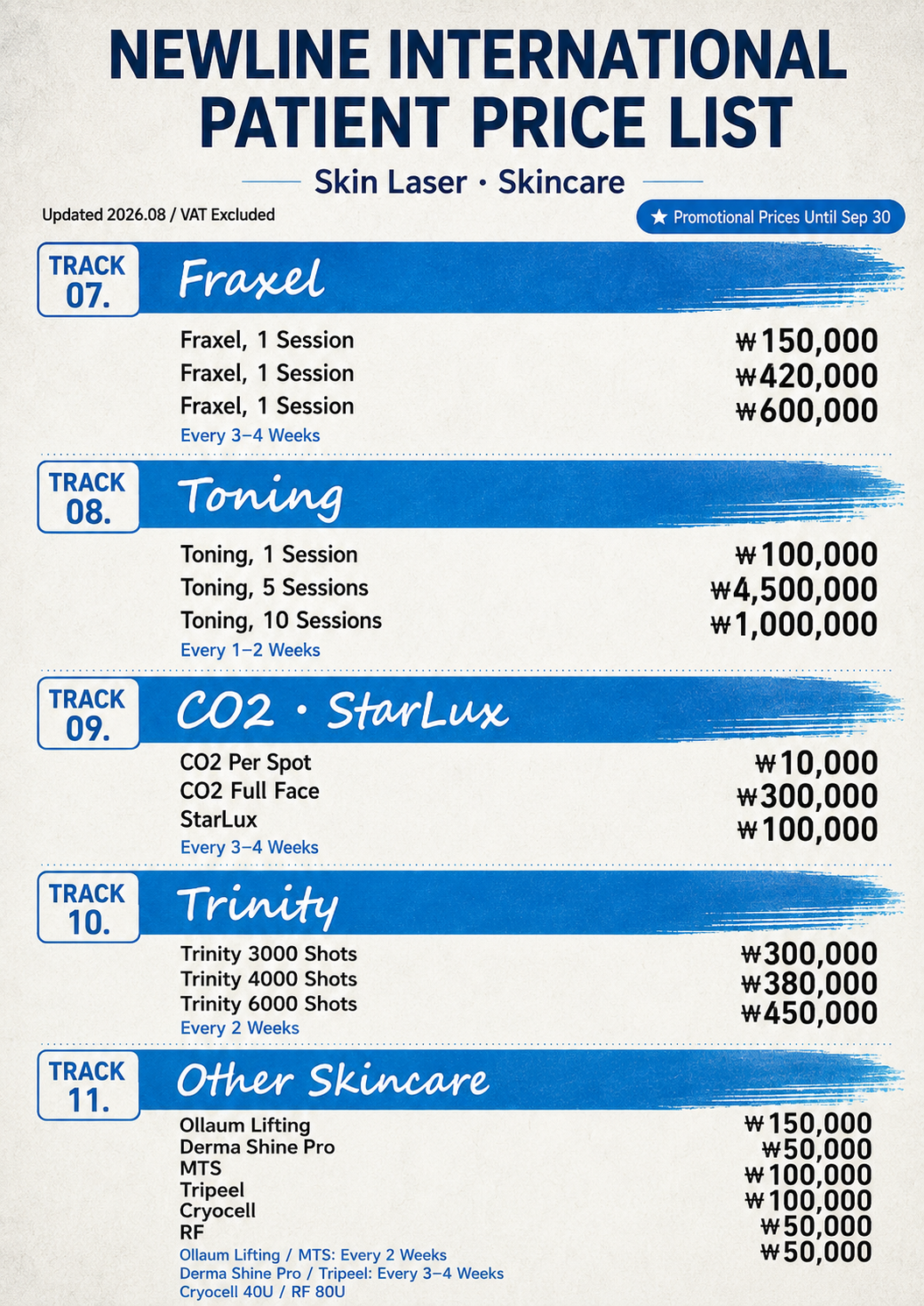
Products: surface and mid-dermis hydration via topical hyaluronic acid, ceramides, etc. Daily commitment maintains. Clinic: deep dermis hydration via injectable skin booster (Profhilo, Rejuran). Lasts months. Different layers, both useful.

Both Products: surface · Clinic: deep
02

Tone evening

Products: vitamin C, niacinamide, alpha arbutin for surface brightening. Months for visible change. Clinic: pico laser for pigmentation removal at structural level. Single sessions visible. Different mechanisms, often combined.

Both Products: gradual · Clinic: dramatic
03

Texture / pores

Products: BHA exfoliation, retinoids for cellular turnover, vitamin C. Clinic: pico laser, microneedling, RF for structural texture work. Products handle mild concerns; clinic handles moderate-severe.

Both Severity dictates
04

Lifting / tightening

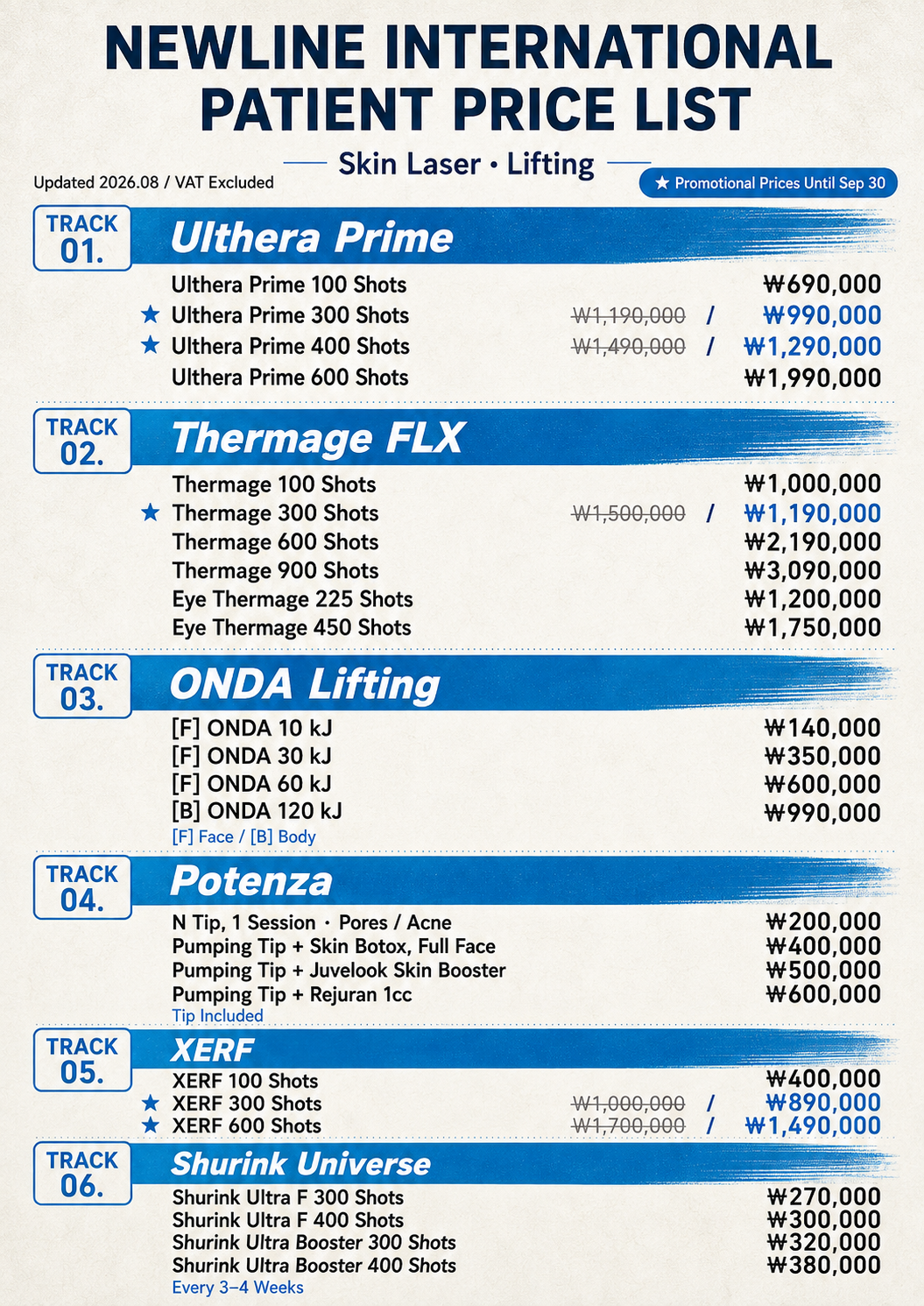
Products: cannot lift sagging skin. Marketing claims of 'lifting cream' don't deliver actual lift. Clinic: HIFU (Ultherapy, Shurink) and RF (Volnewmer, Thermage) deliver structural lift. Clinic only category.

Clinic only Products can't · Clinic delivers
05

Volume / contouring

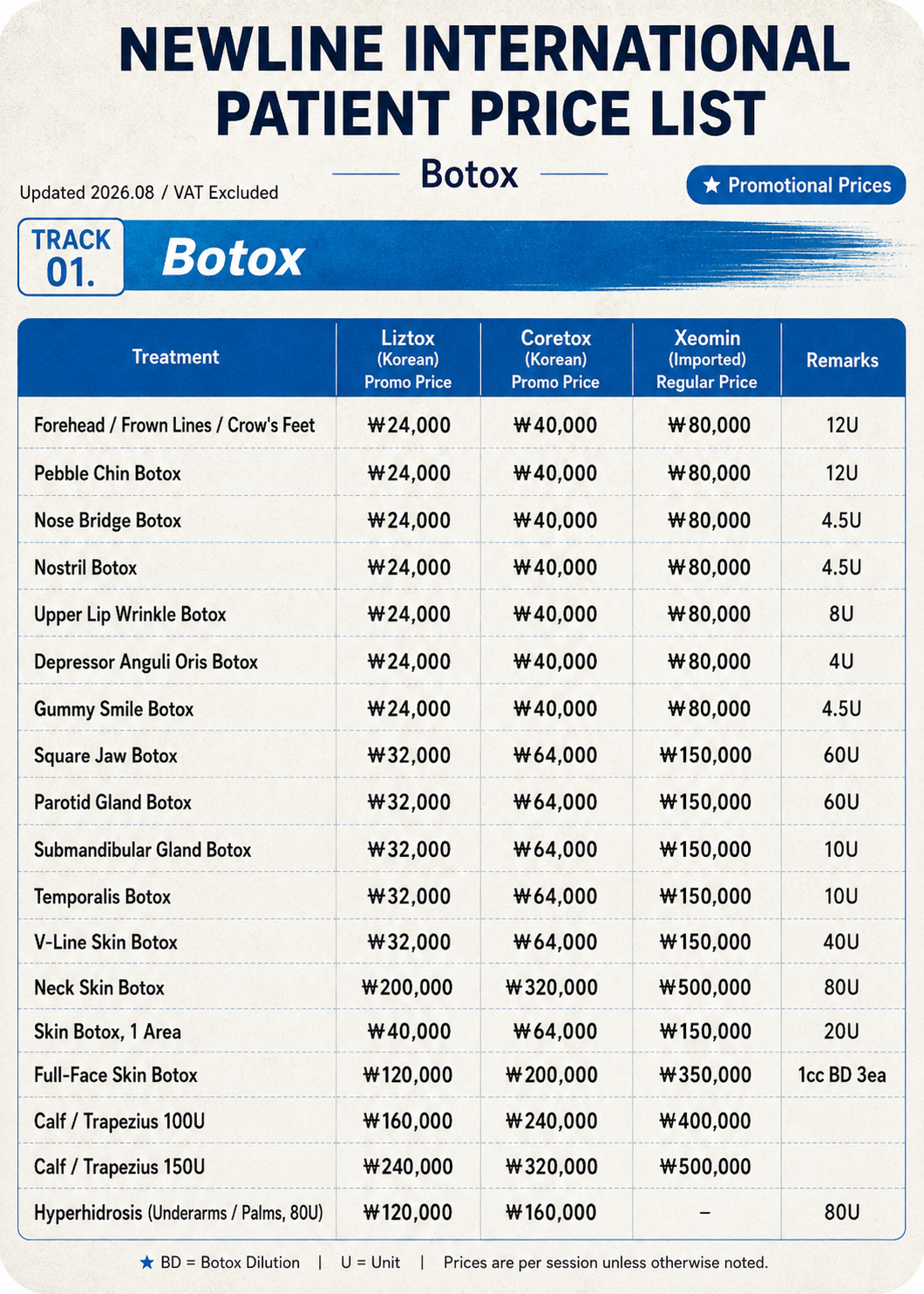
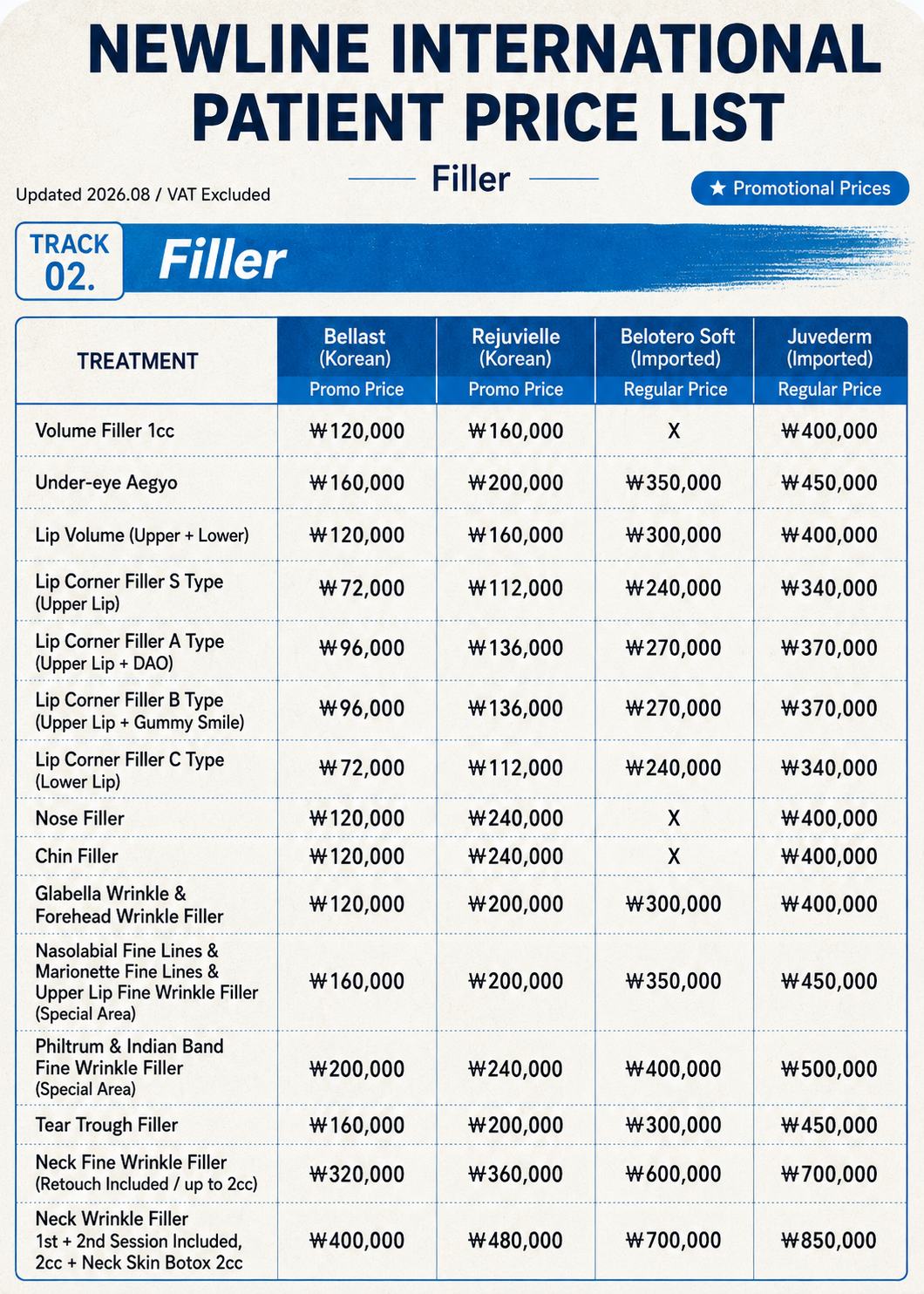
Products: cannot restore volume. Clinic: filler restores volume; jaw botox for V-line. Clinic only category. Products marketed as 'volumizing' moisturize but don't fill volume loss.

Clinic only Filler · Botox · Surgery
06

Sun protection

Products: only effective tool for sun protection — daily SPF 50+. No clinic procedure prevents UV damage. Most important daily skincare. Clinic builds on protected skin; bad sun protection undoes any clinic work.

Products only Daily SPF · Foundation
Common product-vs-clinic confusion

What people get wrong.

'Anti-aging cream'

Marketing implies same effect as botox/filler/HIFU. Reality: peptides and retinoids in creams help texture and barrier. Cannot lift sagging skin or fill volume loss. Misnomer.

'Lifting serum'

Cannot lift skin. Topical products can hydrate, brighten, smooth surface, but cannot reverse skin laxity. Marketing claims of 'lifting' are aspirational, not literal.

'At-home microneedling'

Dermarollers and stamps deliver minimal effect compared to clinic microneedling. Risk of uneven application and infection. Clinic-level microneedling not replicable at home.

'LED masks'

Home LED masks deliver lower energy than clinic LED therapy. Some benefit at lower energy with consistent use. Not replacement for clinic LED post-procedure work.

'Vitamin C serum'

Effective tool for tone evening when properly formulated and stored. Real category where products deliver. Combine with clinic pico laser for compound effect.

'Retinoid'

Most evidence-backed skincare ingredient. Real anti-aging benefit (cellular turnover, fine lines). Foundational ingredient. Combine with clinic treatments.

How to combine products and clinic

Practical combination.

Daily product foundation

Morning: gentle cleanser → vitamin C → niacinamide → moisturizer → SPF 50+. Evening: gentle cleanser → retinoid (every other night to start) → hyaluronic acid → moisturizer. Foundation.

Quarterly clinic intervention

Quarterly skin booster (Profhilo or Rejuran) for sustained hydration and quality. Quarterly to bi-annual maintenance. Foundation that can be sustained over years.

Annual major procedures

Annual HIFU or RF for lifting/firmness. Annual full-face pico laser for tone if pigmentation. Major interventions less frequent than daily/quarterly. Compound benefits.

JRYN's recommended K-beauty products

Korean K-beauty product recommendations from Dr. Lee at consultation. Specific ingredients matched to your skin. Not pushing brand affiliations; recommending what works clinically.

Where to invest

Decision framework.

Invest more in products if you

  • Are 20s without major aesthetic concerns
  • Have healthy skin needing maintenance
  • Want gradual improvements with daily commitment
  • Have budget constraints (products cheaper than procedures)
  • Are committed to consistent daily application

Invest more in clinic if you

  • Are 35+ with visible skin laxity, pigmentation, or texture concerns
  • Want structural improvements not achievable with products
  • Are inconsistent with daily product application
  • Have specific concerns (acne scars, melasma, severe aging)
  • Want dramatic visible improvement

Combine both if you

  • Are 35+ wanting both maintenance and improvement
  • Have moderate aesthetic concerns
  • Are committed to long-term skin health
  • Have budget for both daily products and quarterly procedures
  • Want compound benefits — dramatic + sustained
Long-term combination strategy

Multi-year approach.

Daily product consistency

Morning + evening routine for years. Adjust products quarterly based on skin response and seasons. Foundation is daily skincare for life.

Quarterly clinic check-in

Quarterly skin booster appointment with brief skin assessment. Catches concerns early; adjusts product recommendations; sustains skin quality. Smaller interventions, sustained relationship.

Annual comprehensive review

Annual full assessment with photo documentation. Adjust treatment plan based on aging progression, life events, new concerns. Major procedures considered annually.

Lifestyle as third pillar

Sleep, hydration, sun protection, stress management compound product and clinic effects. Lifestyle factors as important as products and clinic interventions for long-term skin quality.

Dr. Lee, Head Dermatologist at JRYN Seomyeon, Busan Dr. Lee Portrait
About the doctor

Dr. Jeong Heon Lee,
board-certified
dermatologist.

A medical decision should not feel rushed.
My job is to give you the 30 minutes you couldn't get at home

then deliver treatment that respects what made you fly here in the first place.

  • MD, Inje University College of Medicine
  • Member, Korean Dermatological Association
  • Member, Korean Society of Cosmetic Dermatology
  • 15+ years treating international dermatology patients
View Full Profile
Frequently asked

FAQ · K-beauty clinic vs products
questions.

Can products really replace clinic procedures?
Not for everything. Products effective for: hydration maintenance, mild surface improvements, prevention. Products cannot replace: lifting (HIFU/RF), volume restoration (filler), structural pigmentation removal (laser), muscle relaxation (botox). Different categories with different capabilities.
Are Korean clinic procedures really worth the cost vs better products?
Different jobs. Products at $200/month sustain skin baseline; cannot achieve structural improvements. Clinic procedures at $300–800/quarterly deliver structural improvements products can't. Combination wins. Don't think 'either or'; think 'both for different jobs.'
Why do K-beauty products claim transformation?
Marketing. Korean cosmetic industry depends on product sales; marketing emphasizes transformation. Reality: products deliver maintenance and gradual improvement, not transformation. Korean clinics deliver transformation. Marketing language collapses categories. Read clinical literature for honest claims.
Should I save for one trip to Korea or invest in products yearly?
Both. Yearly product budget ($2,000-$3,000) for daily care. Periodic Korea trip ($3,000-$5,000) for major interventions. Most foreign patients with serious aesthetic interests do both. If you must choose one: products for under-30s, clinic for 35+.
Are home devices (LED masks, microneedling rollers) worthwhile?
Limited. Home LED at lower energy delivers some benefit with consistent use over months. Home microneedling rollers deliver minimal effect compared to clinic microneedling. Risk of uneven application. JRYN doesn't dismiss home devices entirely; they're between skincare products and clinic procedures.
Do K-beauty products work for non-Asian skin?
Mostly yes. K-beauty products formulated for Asian skin types (typically Fitzpatrick III–IV) but most ingredients work across all skin types. Some products (whitening creams, very specific formulations) less suited to other skin types. Korean retinoids and vitamin C work for everyone.
Can I get K-beauty products outside Korea?
Yes — Korean K-beauty exports globally. Available in Asia (mainstream), USA, EU (specialty stores), Japan, etc. Quality identical to Korean products. Pricing higher abroad due to import. Most patients buy in Korea for cost savings; same product quality.
How does Korean dermatology differ from Western?
Korean dermatology is more aggressive in promoting preventive aesthetic care; Western dermatology more reactive to specific concerns. Korean dermatology integrates products and procedures more seamlessly. Korean clinics often have specific recommended product brands; Western clinics typically don't push specific products.
Should I switch all my skincare to Korean brands?
Not necessarily. Many Western brands are excellent for specific ingredients (retinoids: Retin-A, Differin, etc. — global brands). Korean brands excellent for: K-beauty staples (toners, essences, masks), specific formulations not available elsewhere. Mix-and-match based on what works for you. Not nationality-defined.
How do I know what's right for me?
WhatsApp +82-10-3951-7576 with: photos of current skin, current product routine, specific concerns. Within 24h Dr. Lee provides honest recommendation: which concerns are product-handlable vs clinic-needing, specific recommendations for each, prioritization based on your situation.
Want honest division of labor?

Get a JRYN
combined plan..

WhatsApp us photos and current skincare routine. Within 24h we recommend: which concerns products can handle, which need clinical treatment, and total plan combining both. Honest, evidence-based.

Individual results may vary. Content is for informational purposes only and is not a substitute for medical advice. Please consult a licensed medical professional before any procedure. Prices are estimates and may change. JRYN Dermatology is licensed under the Korean Medical Service Act.